
Let’s Be Honest Nobody Enjoys Cleaning the Bathroom There’s something about that room. The grout that never looks truly white. The water spots that reappear hours after you’ve wiped them down. The mysterious pink ring in
the toilet that seems to have its own agenda. Bathroom cleaning is the chore we put off until we can’t anymore, and even then, it rarely feels satisfying because the results don’t seem to last.
But here’s the thing I’ve learned after years of trial and error: the problem isn’t you. It’s the tools and methods you’re using. Most of us were taught to scrub hard, use harsh chemicals, and accept that some stains just won’t
budge. That’s simply not true. With the right approach, your bathroom can stay genuinely clean with far less effort. These 25 bathroom cleaning hacks aren’t tricks pulled from the internet—they’re real, tested solutions that respect your time and your sanity.
Glass and Mirrors: Streak-Free and Fog-Free
1. Coffee Filters Beat Paper Towels Every Time
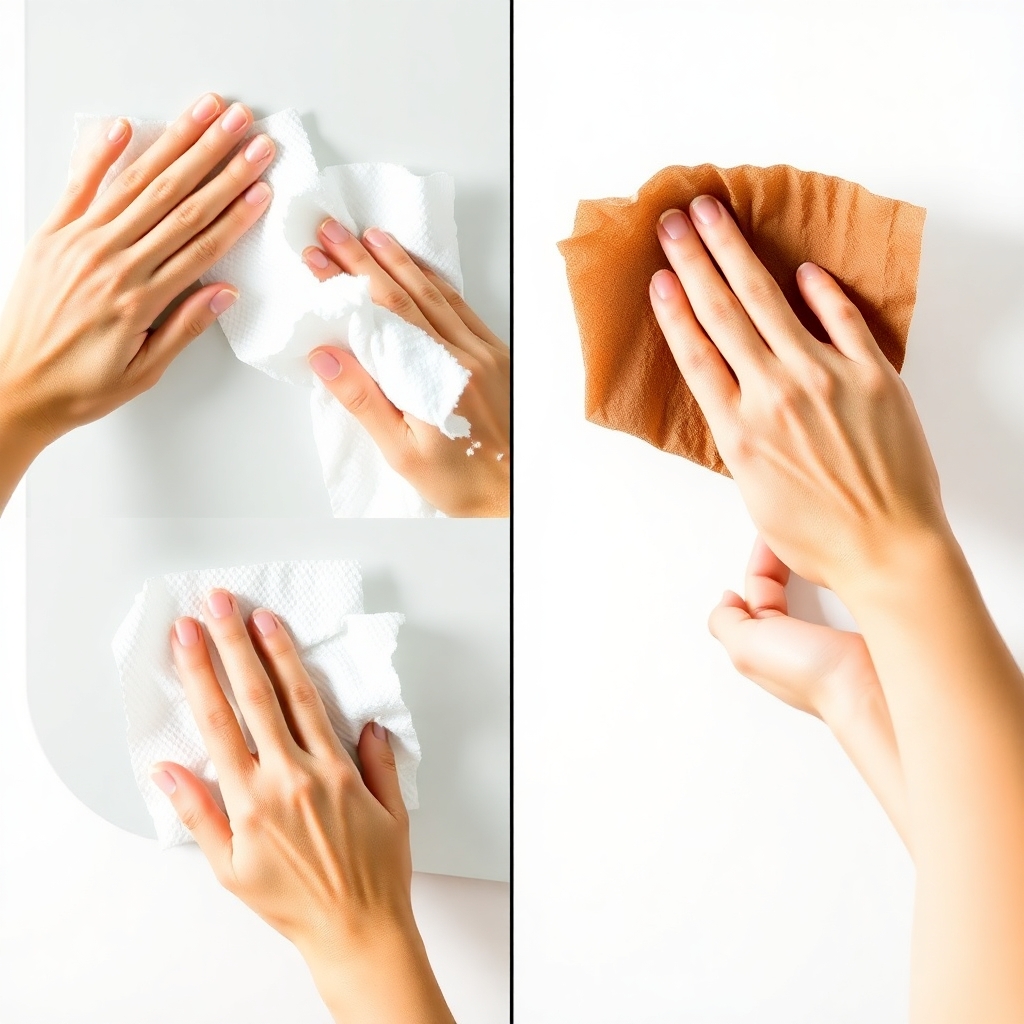
Paper towels leave lint and tiny scratches on glass surfaces. Coffee filters are lint-free, ultra-absorbent, and cheap. Spray your mirror or shower door with a simple vinegar-water solution, wipe with a coffee filter, and the surface turns crystal clear with zero streaks.
2. Shaving Cream Prevents Mirror Fog
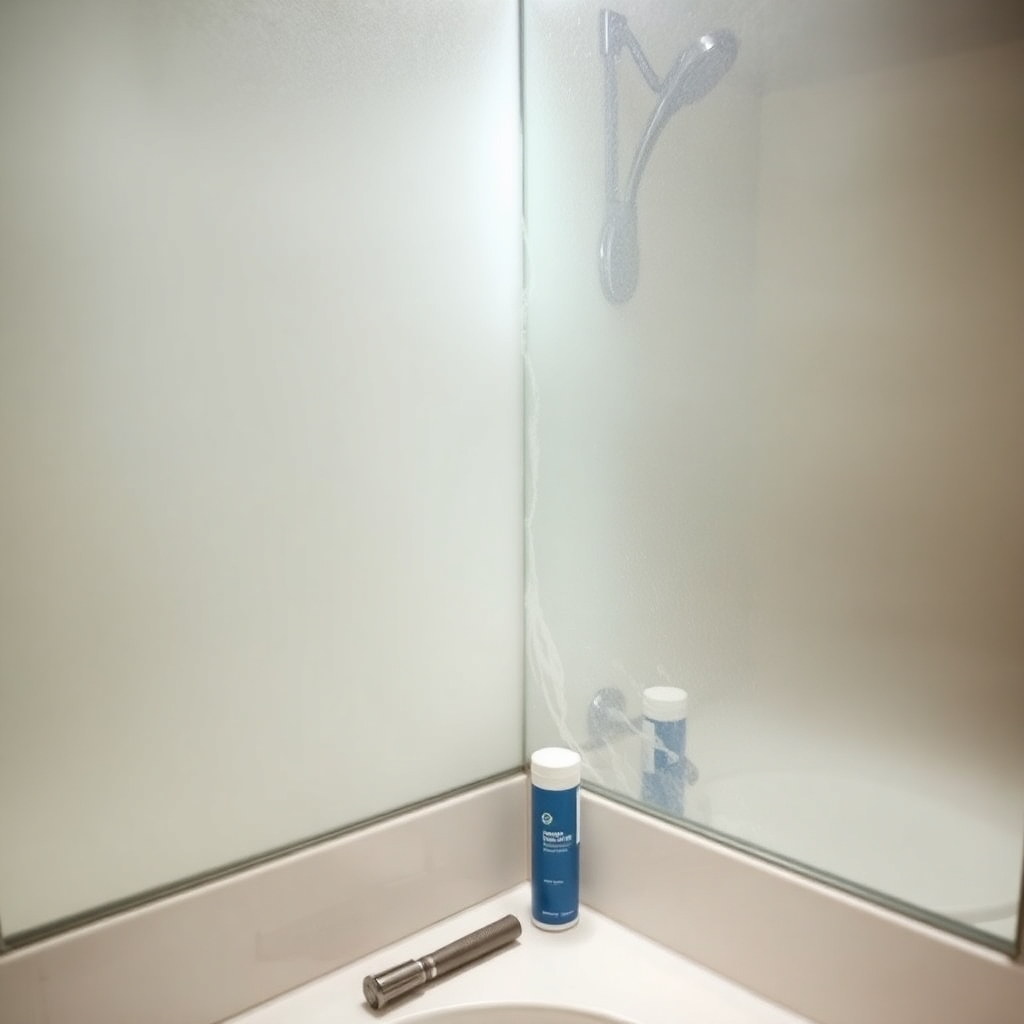
Apply a thin layer of plain shaving cream to your bathroom mirror. Wipe it off with a microfiber cloth and let it dry completely. The invisible residue creates a barrier that steam cannot penetrate. Your mirror stays clear even after the hottest shower.
3. Dryer Sheets Dissolve Soap Scum on Glass
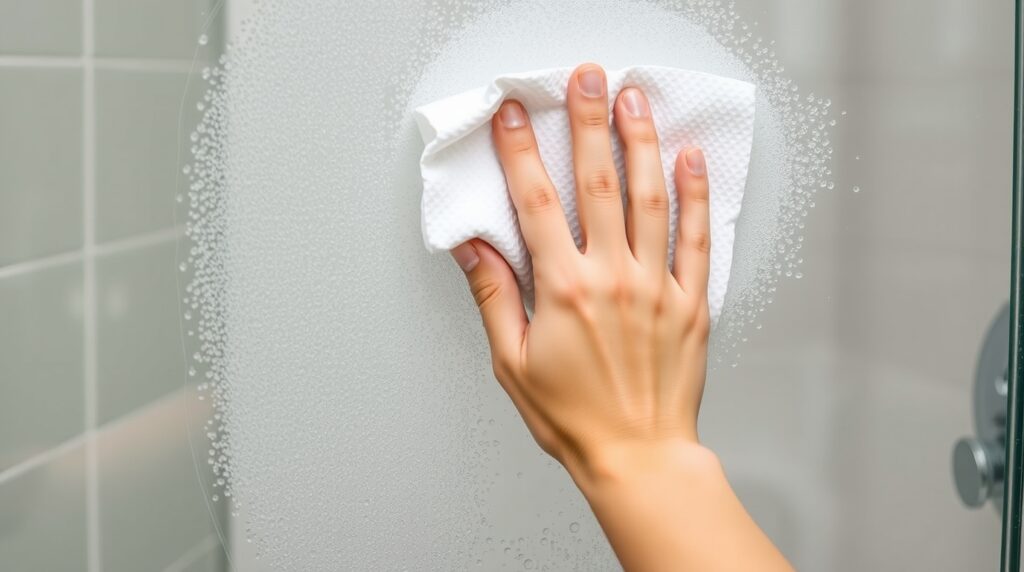
That waxy, cloudy buildup on glass shower doors is stubborn. A damp dryer sheet rubbed across the surface breaks it down surprisingly fast. Follow with a damp sponge and a squeegee. The glass looks brand new in under two minutes.
4. Squeegee After Every Shower
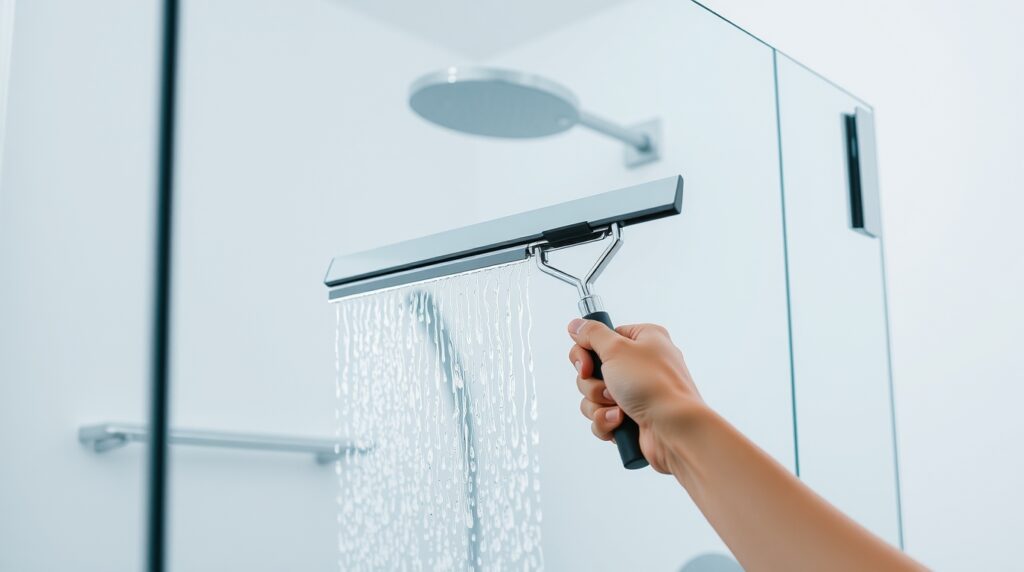
Mount a squeegee inside your shower and use it on glass doors and tile walls immediately after bathing. This takes fifteen seconds and prevents eighty percent of hard water spots and soap residue. Make it a non-negotiable household habit.
5. Rubbing Alcohol for Permanent Marker and Hairspray
Kids get creative. Hairspray overspray leaves sticky residue. Dab rubbing alcohol on a cotton ball and wipe. Both marker ink and aerosol adhesives dissolve instantly without damaging the mirror surface.
Toilet: Deep Clean Without the Elbow Grease
6. Pumice Stone for Hard Water Rings
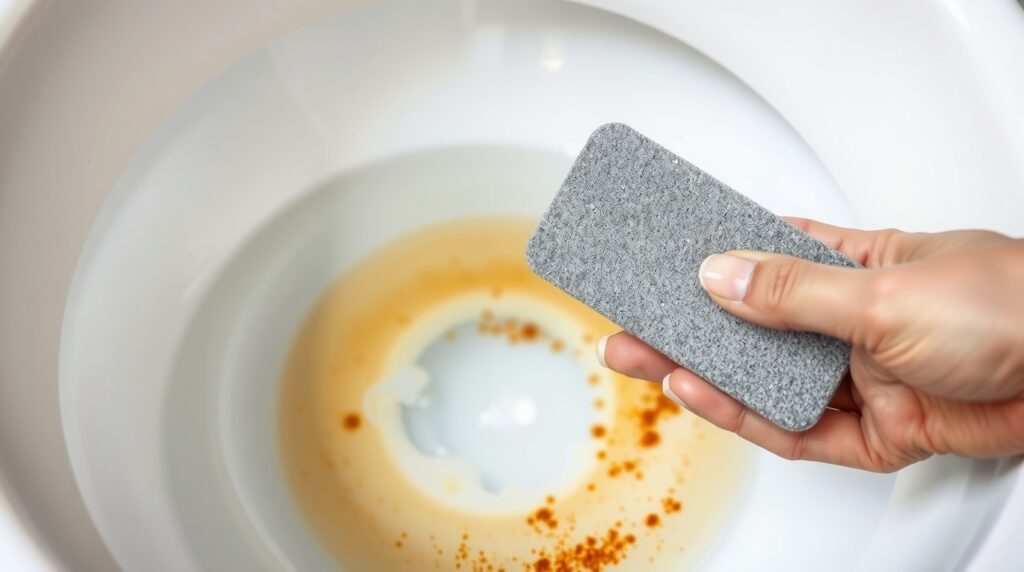
If you have hard water, you know the rust-colored ring at the waterline that refuses to budge. A pumice stone—the same type sold for foot calluses—is your answer. Wet the stone and gently rub the ring. The stone is soft enough not to scratch porcelain but abrasive enough to lift mineral deposits instantly.
7. Baking Soda and Vinegar Overnight Soak
Pour one cup of baking soda into the toilet bowl. Follow with two cups of white vinegar. Let it fizz and bubble, then walk away overnight. In the morning, scrub lightly with your brush and flush. This works especially well for urine stains under the rim that a brush alone cannot reach.
8. Denture Tablets for Rim Jets and Hard-to-Reach Areas
Drop two effervescent denture cleaning tablets into the toilet bowl. Let them dissolve completely and sit for thirty minutes. The bubbling action works into the rim jets and under the bowl edge, loosening buildup you did not know was there. Brush lightly and flush.
9. White Vinegar in the Tank Prevents Future Grime
Pour one cup of white vinegar directly into the toilet tank once a month. Let it sit for one hour, then flush twice. This prevents mineral buildup inside the tank, keeps internal components working smoothly, and means less grime transferring to the bowl over time.
10. Dish Soap in the Bowl for Quick Touch-Ups
Squeeze a generous circle of blue Dawn dish soap around the inside rim of the toilet bowl before bed. Let it drip down and sit overnight. In the morning, the soap has softened any new stains, and one quick swish cleans the entire bowl.
Showers and Tubs: Say Goodbye to Soap Scum
11. Dawn and Vinegar Spray Melts Soap Scum
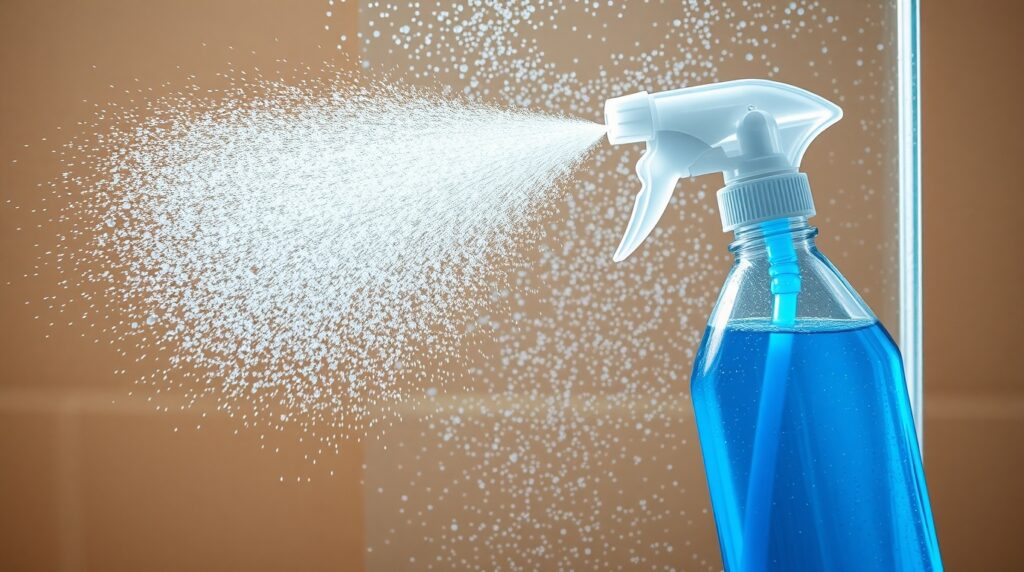
Fill a spray bottle with equal parts blue Dawn dish soap and white vinegar. Warm the vinegar slightly in the microwave first so it mixes easily. Spray this generously on shower walls and doors. Let it sit for thirty minutes, then wipe with a damp sponge. Soap scum slides right off without aggressive scrubbing.
12. Grapefruit and Salt for Fiberglass Tubs
Cut a grapefruit in half. Sprinkle coarse salt on the cut side. Use it as a scrubber on fiberglass tubs and surrounds. The acid cuts through soap film, the salt provides gentle abrasion, and the citrus scent is fresh and natural. Rinse thoroughly when finished.
13. Fabric Softener Sheet Repels Future Spots
After cleaning your shower door, wipe it down with a used dryer sheet. The anti-static properties help repel water and soap scum. Your door stays cleaner much longer between deep cleans.
14. Magic Eraser for Tub Rings
The gray ring that forms around the tub after baths comes off instantly with a damp melamine foam sponge. Light pressure only—these sponges are mildly abrasive and can dull glossy finishes if rubbed too hard.
15. Rinse Aid in Squeegee Bottle
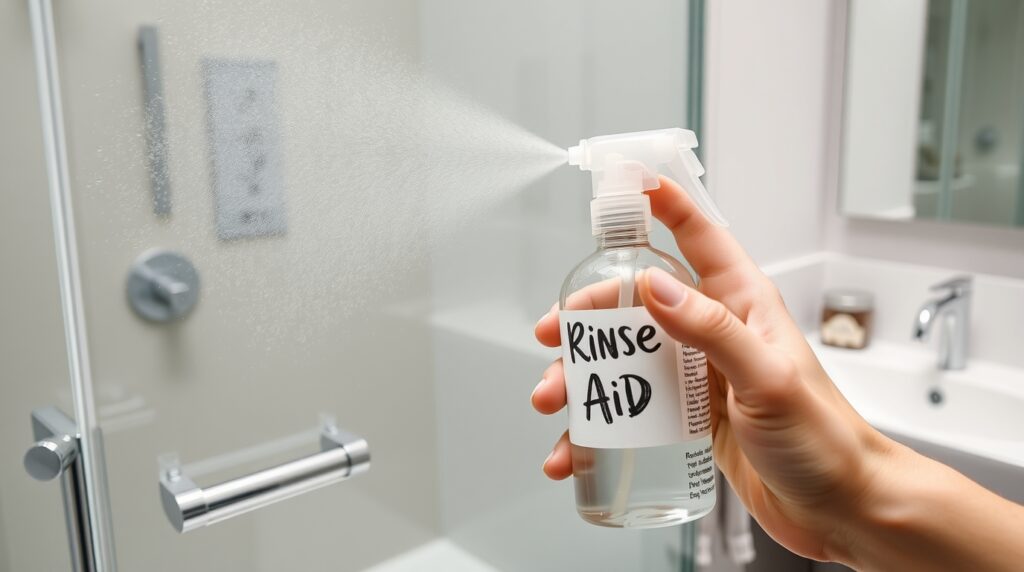
Fill a small spray bottle with plain automatic dishwasher rinse aid. Keep it in the shower. After squeegeeing, mist the glass lightly and wipe. This creates an invisible barrier that causes water to sheet off rather than bead and dry into spots.
Grout, Tile, and Caulk: The Details That Matter
16. Bleach Pen for Grout Lines
A gel bleach pen designed for laundry stains is perfect for spot-treating grout. Run the pen tip along dirty grout lines. Let it sit for fifteen minutes. Wipe clean. No mixing, no dripping, no mess.
17. Hydrogen Peroxide and Baking Soda Paste for Colored Grout
For colored grout that might bleach unevenly, mix hydrogen peroxide with baking soda to form a thick paste. Apply it to grout lines. Let it dry completely. Scrub with a stiff brush and wipe clean. This whitens without harsh chlorine fumes.
18. Toothpaste for Small Crevices
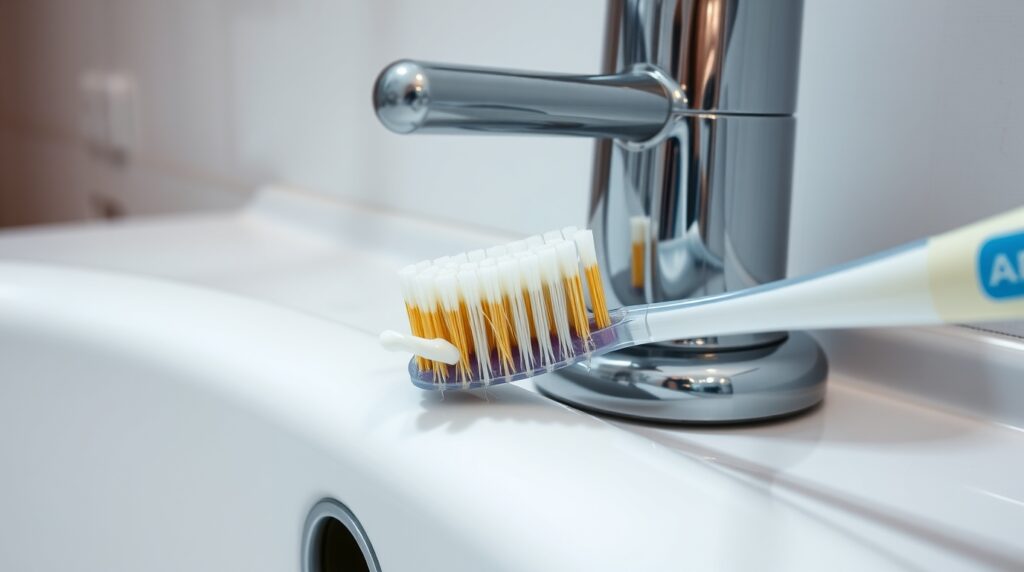
White toothpaste is mildly abrasive and gentle enough for delicate surfaces. Use an old toothbrush and a dab of paste to clean around faucet bases, drain covers, and the tiny crevices where the counter meets the backsplash.
19. Clear Nail Polish Seals Caulk Edges
Once you have cleaned and dried your caulk lines thoroughly, apply a thin layer of clear nail polish along the edge where caulk meets tile. This seals the edge and prevents soap scum and mildew from embedding into the porous surface. Reapply every few months.
20. Steam Cleaning in the Microwave
Fill a microwave-safe bowl with one cup of water and one cup of white vinegar. Microwave on high for five minutes. The steam loosens grout residue and tile grime. Wipe walls immediately with a sponge—no elbow grease required.
Sinks, Faucets, and Fixtures: Small Details, Big Difference
21. Lemon and Salt for Stainless Steel
Cut a lemon in half. Dip it in coarse salt. Scrub your stainless steel faucet and sink. Rinse thoroughly and buff dry with a soft cloth. The combination removes water spots and minor scratches while leaving a bright, streak-free finish.
22. Old Toothbrush for Faucet Aerators
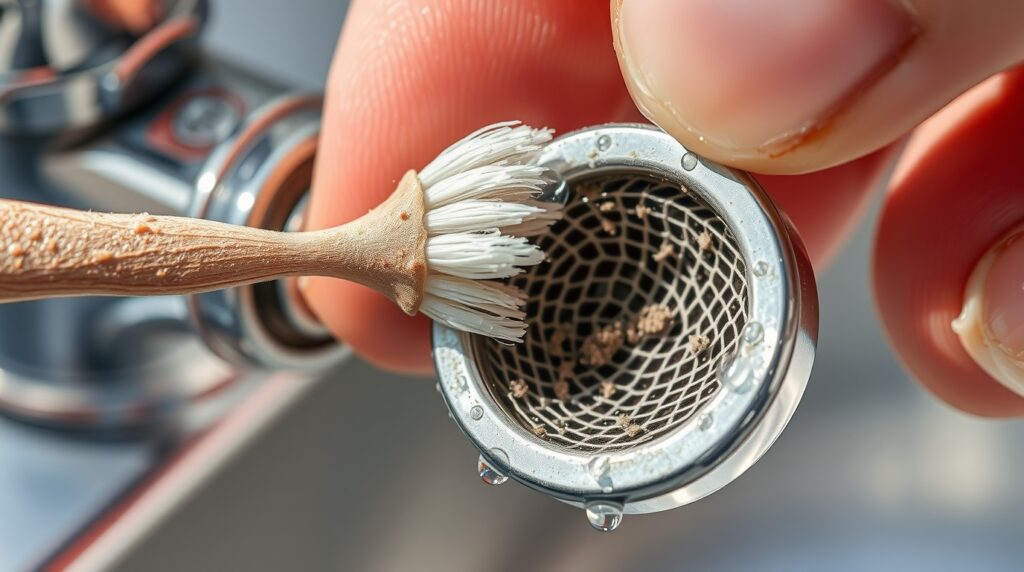
Unscrew your faucet aerator once a month. Soak it in white vinegar for one hour. Scrub the tiny screen with an old toothbrush. Mineral deposits clog aerators quickly, which reduces water pressure and traps debris that makes the faucet look dirty even when it is clean.
23. Baby Oil for Chrome Fixtures
After cleaning chrome faucets and handles, apply a tiny drop of baby oil to a soft cloth. Buff the surface lightly. This leaves a protective layer that repels water spots and fingerprints, keeping fixtures shiny for days.
24. Vinegar Soak for Showerheads
Fill a plastic sandwich bag with white vinegar. Secure it over your showerhead with a rubber band or hair tie, ensuring the head is fully submerged. Let it soak overnight. Remove the bag in the morning and run the shower for one minute. Mineral deposits dissolve completely, and water pressure improves noticeably.
25. Lemon Peel in Garbage Disposal
If your bathroom sink has a garbage disposal, drop small pieces of fresh lemon peel down the drain. Run cold water and turn on the disposal. The citrus oils clean the blades and leave the entire sink area smelling fresh and bright.
Common Mistakes That Keep Bathrooms Dirty
Using Too Much Product
More cleaner does not mean a cleaner surface. Excess product leaves residue that actually attracts dirt. A thin, even spray is plenty. Let the cleaner sit and do the work instead of drowning the surface.
Scrubbing Before Soaking
Attacking a stain immediately with force rarely works. Mineral deposits and soap scum need time to soften. Apply your cleaner, walk away for fifteen to thirty minutes, then wipe. The stain releases easily with minimal effort.
Neglecting Ventilation
Moisture is the enemy of a clean bathroom. Running the exhaust fan during and for twenty minutes after showering removes humidity that feeds mold and mildew. No fan? Crack a window. This simple habit prevents the majority of grime buildup.
Using the Same Rag Everywhere
Moving a single cloth from toilet to counter to sink spreads bacteria. Designate color-coded rags or use disposable wipes for the toilet only. Better yet, keep a stack of inexpensive white washcloths and bleach them after each use.
Natural Solutions That Actually Work
Baking Soda Sprinkle for Daily Freshness
Sprinkle baking soda across the bottom of your tub or shower floor after each use. Let it sit until the next time you shower, then rinse. It absorbs moisture, neutralizes odors, and prevents soap scum from bonding to the surface.
Tea Tree Oil Spray for Mold Prevention
Fill a spray bottle with water and add twenty drops of tea tree essential oil. Shake well and spray shower walls and curtain liners after each use. Tea tree oil is a natural antifungal that inhibits mildew growth without chemical fumes.
White Vinegar in the Humidifier
If you keep a humidifier in your bathroom, fill it with white vinegar instead of water once a month and run it for an hour. This dissolves mineral buildup inside the machine so it does not spray fine white dust onto your counters and mirrors.
Small Changes, Cleaner Bathroom
You do not need an expensive cleaning service or a cabinet full of specialty products. You need smarter habits and better tools, most of which you already own. A coffee filter here, a lemon there, a pumice stone in the utility basket.
The difference between a bathroom that feels like a chore and one that stays clean with minimal effort comes down to these small, intentional choices. Use a squeegee. Soak before you scrub. Keep baking soda within arm’s reach. None of these hacks take extra time—they just make the time you spend count for more.
Start with one. Pick the shower door trick or the toilet tank vinegar or the dryer sheet on glass. Try it tomorrow. You will feel the difference immediately, and that sense of control will carry you through the next task and the next. A truly clean bathroom is not about perfection. It is about consistency, and now you have twenty-five ways to make that consistency easier than ever before.