

[ad_1]
:max_bytes(150000):strip_icc():format(jpeg)/Screenshot2026-02-18at8.29.42AM-97fea368360d4201b98752dc20e6487c.png)
Main Points
- Designers recommend light pink and buttercream tones to warm homes.
- Soft, muted pink adds gentle warmth and can be used in styles.
- Offwhites and soft yellows create a cozy, candlelit glow while keeping spaces bright.
If you are looking to add a dose of warmth to your walls, some paint colors better for that than others.
When we asked designers to share the colors they always rely on for warming up a room, two colors kept repeating. Read on to learn more about why you should be wary of pinks and buttery whites in the paint hallway.
Meet the Expert
- Maggie Clarke is the CEO and lead designer at Maggie Clarke Interiors.
- Liz MacPhailbased in Austin, Texas, is the founder of Liz MacPhail Interiors.
- Martha Midgette is the founder of Martha Midgette Designs.
Light Pink
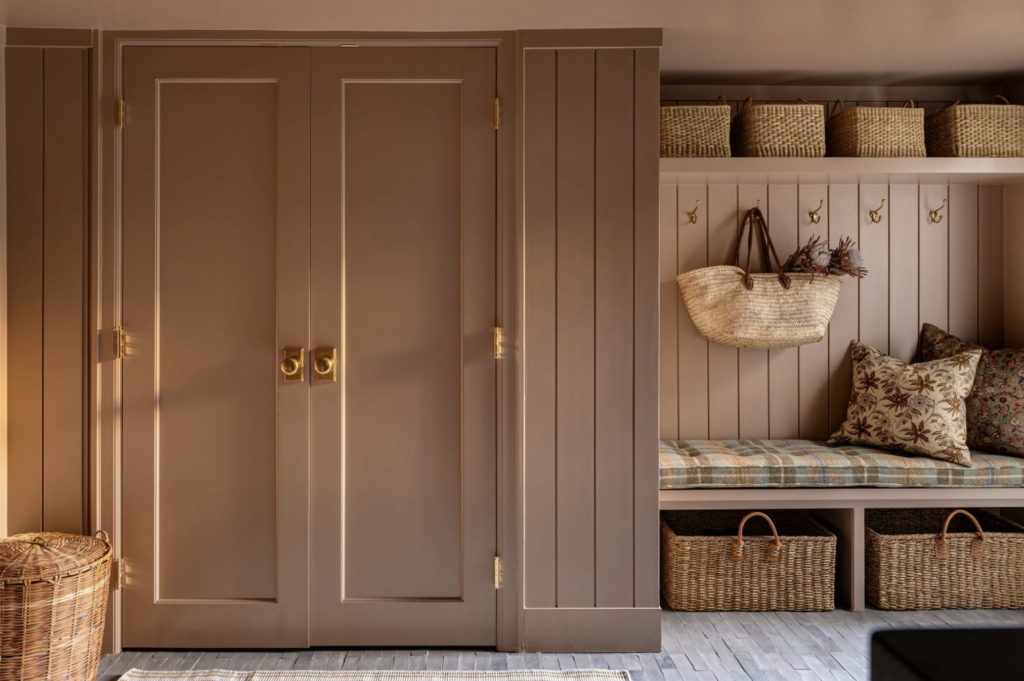
The three designers we spoke to unanimously agreed that a warm, neutral pink—and yes, pink can be a neutral—can do wonders to liven up a room during the winter.
“A subtle pink paint color warms up a space by adding soft tones that reflect light softly and make a room feel more welcoming,” explains Maggie Clarke, of Maggie Clarke Interiors.
“It brings a quiet feeling of warmth and comfort without reading too pink, especially in low or cool light.”
Liz MacPhail, who often uses hot pink in her projects, says it’s a color her clients often request, but there’s an art to the selection process.
“It needs to be the right room and the right shade of pink, not too bubbly and saccharin—a smidge muddy and not too dark, a warm hint of pink,” says Liz MacPhail Interiors founder.
Martha Midgette, founder of Martha Midgette Designs, is also partial to light pink and blush for the purpose of warming up a room. The best part about color, he explains, is that depending on the accessories and furniture you bring afterwards, it can add different aesthetics.
“Style it with soft linens, and you’re feminine and romantic, or pair it with rich chocolates, deep woods, and moody accents—now it’s layered and sophisticated with a masculine edge,” she says.
Using pink doesn’t necessarily mean you have to go all in with Barbiecore-like accents or forego darker tones.
Buttercream
Another color to consider for this purpose is a shade of buttercream white—in other words, a warm, vintage white.
“White buttercream adds warmth to winter because the soft yellow undertones reflect the light in a cozy, candlelit way rather than feeling harsh or cold,” says Clarke. “It keeps a space bright while gently countering gray skies and shorter days, making rooms feel more inviting and lived-in.”
Midgette agreed creamy, warm whites very good for heating rooms.
“It’s comfortable, welcoming, and clean, offering a bright foundation that still feels soft and inviting,” she says of the color. “It also works beautifully as a neutral backdrop that allows art and collectible pieces to take center stage.”
That said, if you want to accept the “buttercream” element at play here and turn to a yellow butterthat shade is another good contender according to Midgette, who emphasizes that it’s not a color for nurseries.
Instead, the designer envisioned a light buttercup yellow that would look great in living rooms; he recommends mixing rich green and deep purple tones.
He said, “It still feels warm and bright, like a little hug from the sun, especially in the heart of winter when it’s dark at 5 in the afternoon”
[ad_2]