


If you’re constantly running a cloth over surfaces only to see a faint gray layer reappear the next day, you’re not alone. That persistent, dusty feeling in your home isn’t just in your head, and it’s not a sign that you’re a bad housekeeper. It’s a common frustration for countless homeowners, especially when you’re doing everything “right” but still can’t seem to get ahead of it. That layer of dust is more than just dirt; it’s a mix of tiny particles from inside and outside your home, and its constant presence usually points to a few specific, fixable issues.
The good news is that a perpetually dusty house is a problem you can solve. It’s less about cleaning more vigorously and more about understanding the source and the path dust takes through your space. By making a

few strategic changes to your home’s environment and your routine, you can dramatically reduce that gritty feeling and enjoy air that simply feels fresher and cleaner. Let’s walk through the practical, realistic reasons and solutions.
The Air You Move: Your HVAC System is a Dust Highway
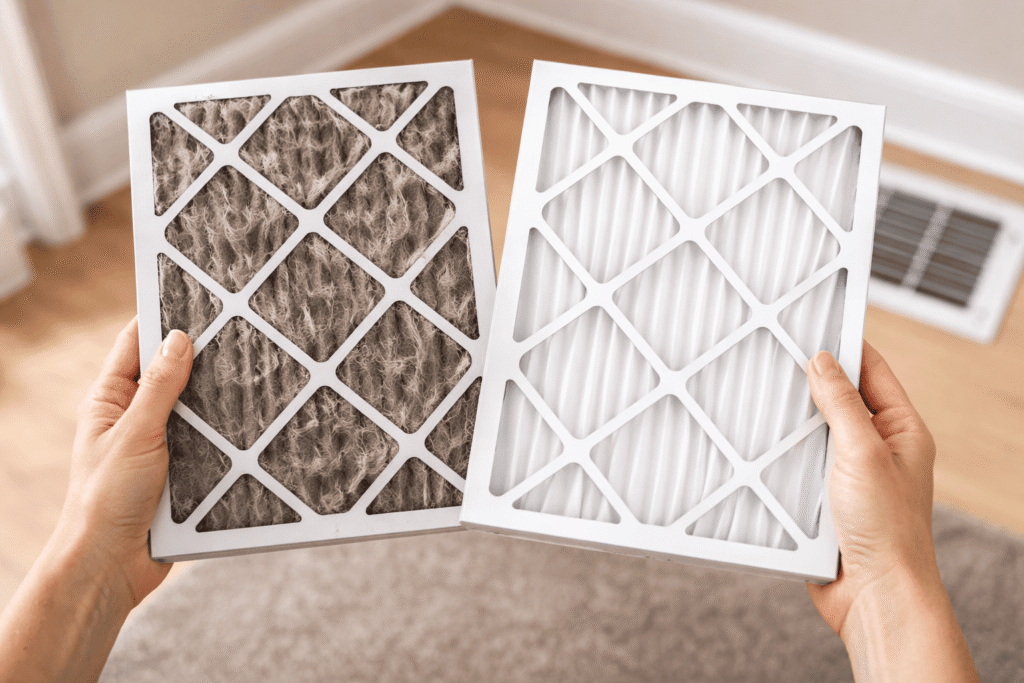
Your heating and cooling system is the lungs of your home, circulating air through every room. If those lungs are dirty, they’re blowing dust everywhere, all day long. The number one culprit here is almost always a clogged air filter. A filter packed with dust and debris can’t trap new particles, so they get recirculated endlessly. But the filter is just the start. Dust and allergens settle deep in your ductwork over years, and every time the system kicks on, it can stir them up and send them sailing into your living space.
How do you tackle this? First, make checking your HVAC filter a monthly habit. Hold it up to the light; if you can’t see light through it, it’s time for a change. Choose a filter with a higher MERV rating (between 8 and 13 is great for most homes) to capture finer particles. For the ducts, consider a professional cleaning every few years, especially if you’ve just moved in, have pets, or have done recent renovations. This single step can cut down on the source of airborne dust more than almost anything else.
Missing the Hidden Dust Reservoirs
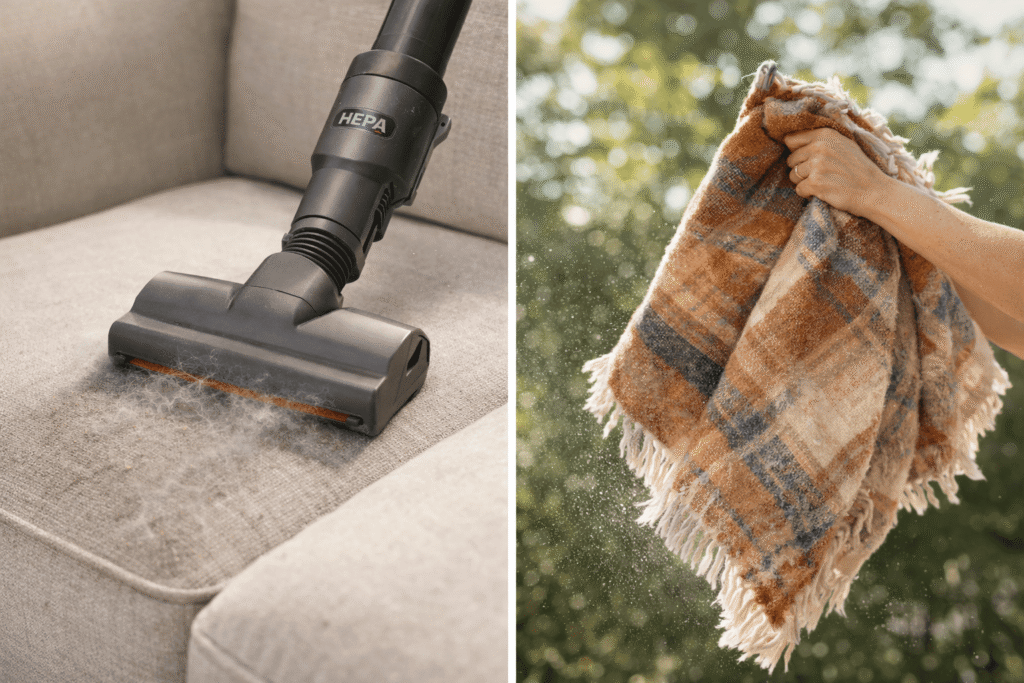
We focus on the dust we can see on tabletops, shelves, and TV screens. But the real motherlode of dust in a home hides in plain sight: your soft furnishings. Carpets, rugs, upholstery, and even curtains act as massive reservoirs. Every step on a carpet sends a plume of settled dust back into the air. That cozy throw blanket on your couch isn’t just collecting dust; it’s holding onto it until someone shakes it out.
The solution is to shift your cleaning focus downward and into the fabric. Vacuum carpets and rugs at least twice a week using a machine with a HEPA filter, which traps the fine dust inside the vacuum instead of exhausting it back out. Don’t forget the upholstery use the attachments to vacuum couches and chairs thoroughly. For curtains, check the care labels; many can be machine-washed or at least given a good shake outside and a gentle vacuuming monthly. By routinely emptying these reservoirs, you remove the fuel for your dust problem.
The Great Outdoors (Coming Indoors)
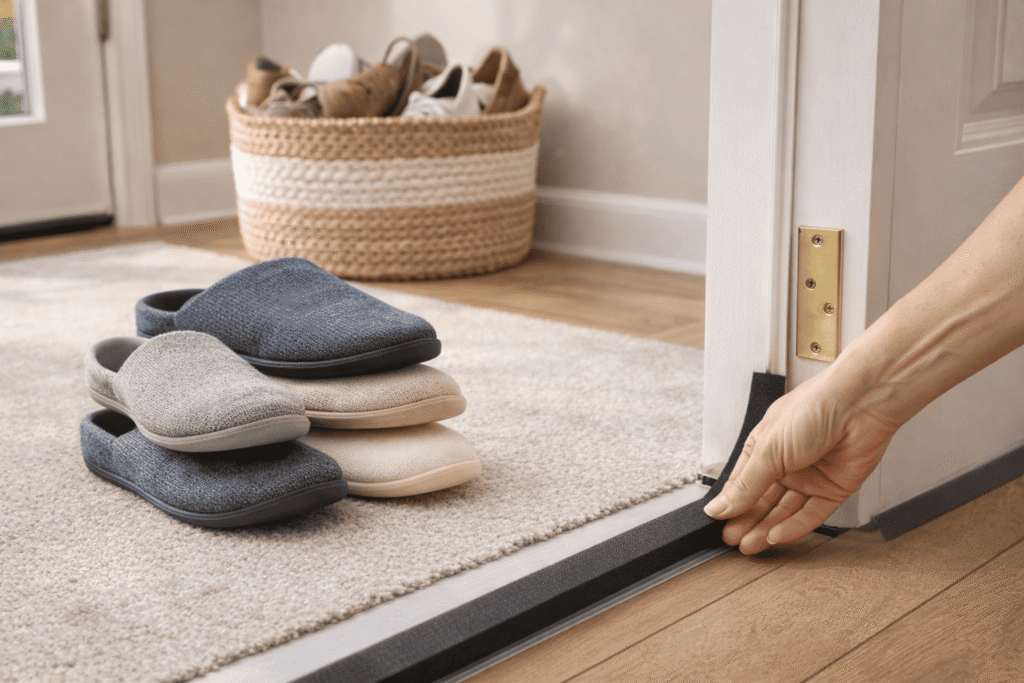
A surprising amount of the dust in your home is tracked in or blown in from outside. It’s dirt from your shoes, pollen from the garden, and tiny particles that seep in through the smallest gaps around windows and doors. If your home feels dusty all the time, your defense at the perimeter might be weak.
Start by creating a “no shoes in the house” policy. Place a durable, washable mat outside every entrance and a cozier one inside to catch final particles. Next, take a slow walk around your windows and exterior doors. Feel for drafts? Do you see daylight around the edges? Sealing these gaps with inexpensive weatherstripping or caulk is a weekend project that pays off in less dust and lower energy bills. Also, keep vegetation and mulch beds away from your home’s foundation to minimize a direct path for dirt and mold spores.
The Humidity Factor: When Air is Too Dry

This one feels counterintuitive, but dry air can make your home feel dustier. In low-humidity environments (common in winter with the heat on, or in arid climates), static electricity runs rampant. This static charge literally attracts and holds dust particles to every surface your walls, electronics, and furniture. It makes dust more visible and harder to remove with a simple wipe.
Aim for a relative humidity level between 40% and 50%. You can monitor this with a simple hygrometer from the hardware store. To increase humidity, use a console or room humidifier, particularly in bedrooms and main living areas. Even placing wide bowls of water near gentle heat sources (like a radiator) can help. Not only will this cut down on static, but it will also make your home feel more comfortable and can even help protect wood furniture from drying out.
Common Mistakes That Keep a House Dusty
Even with good intentions, a few habits can sabotage your progress. Avoiding these will help your efforts stick.
- Neglecting Overhead and Out-of-Sight Areas: Ceiling fan blades, the tops of cabinets, light fixtures, and refrigerator coils are dust magnets. When ceiling fans run on a dirty blade, they scatter dust in a wide circle. Clean these high and hidden spots quarterly.
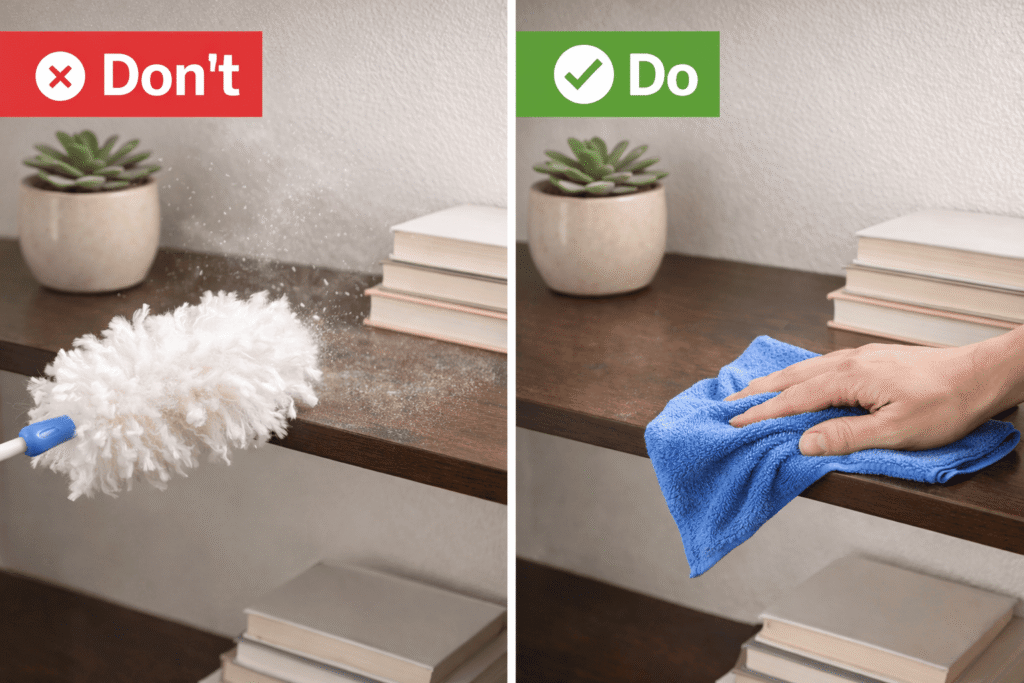
- Using a Dry Duster or Feather Duster: These tools often just redistribute dust from a surface into the air, where it settles again later. Instead, use a microfiber cloth dampened slightly with water or a cleaning spray. The fibers trap and hold the dust.
- Changing HVAC Filters Irregularly: Mark your calendar or set a phone reminder. A filter stretched for months is useless.
- Forgetting About Bedding: Your bedding sheds skin cells and collects dust mites. Wash sheets and pillowcases weekly in hot water, and vacuum your mattress every time you change the sheets.
Embrace a Slightly Different Routine
Winning the battle against a dusty house isn’t about a single deep clean. It’s about a smarter maintenance routine. It means vacuuming before you see dirt on the carpet, changing that filter before it looks dirty, and wiping down surfaces with a damp cloth. It’s about being a gatekeeper for what comes in from outside. These aren’t massive overhauls; they are small, conscious shifts in how you care for your space.
Remember, a home is for living in. It will never be a dust-free museum, and that’s okay. The goal is to break that frustrating cycle of constant dust, so you can spend less time wiping and more time enjoying the comfort and peace of your clean, fresh-feeling home. Start with one change maybe that air filter today and you’ll already be on your way to breathing easier.