
There’s nothing quite like the warm, inviting look of clean wooden floors. But if you’ve ever finished mopping only to find streaky residue, a dull film, or worse water spots you know it can feel like a losing battle. Wood is a beautiful but sometimes finicky surface. It needs care, not just cleaning. Whether your floors are brand-new laminate or century-old hardwoods, the right approach makes all the difference

So, let’s set aside the guesswork and the one-size-fits-all sprays. This guide is your go-to resource for cleaning wooden floors the right way. We’ll walk through 22 Ways to Clean Wooden Floors the Right Way practical, effective methods that protect your investment and keep your home glowing.
Why Wood Floors Get Dull, Dirty, or Damaged
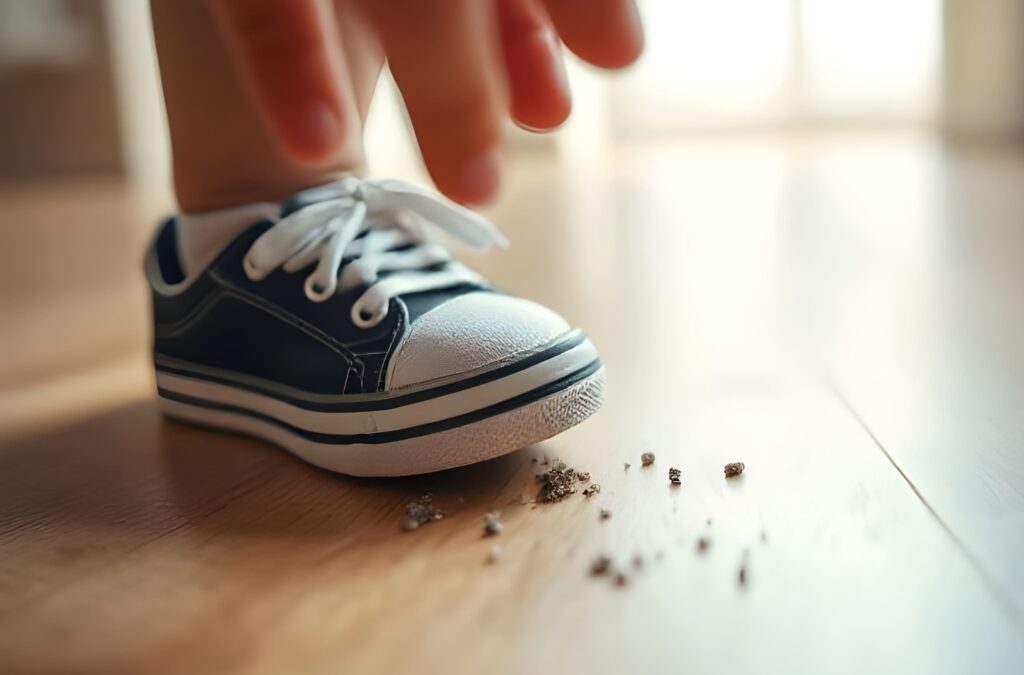
Wood floors face a lot in our daily lives. It’s not just dirt; it’s a combination of factors. Grit and dust act like sandpaper, causing tiny scratches that diffuse light and make floors look dull. Spills, if not wiped quickly, can seep into seams and cause warping or stains. Many common cleaners leave behind a sticky residue that actually attracts more dirt. Even water itself, used in excess, is wood’s enemy, potentially causing the planks to swell or cup over time. Understanding these simple causes helps us choose smarter, gentler cleaning tactics.
Your 22-Step Guide to Spotless Wood Floors
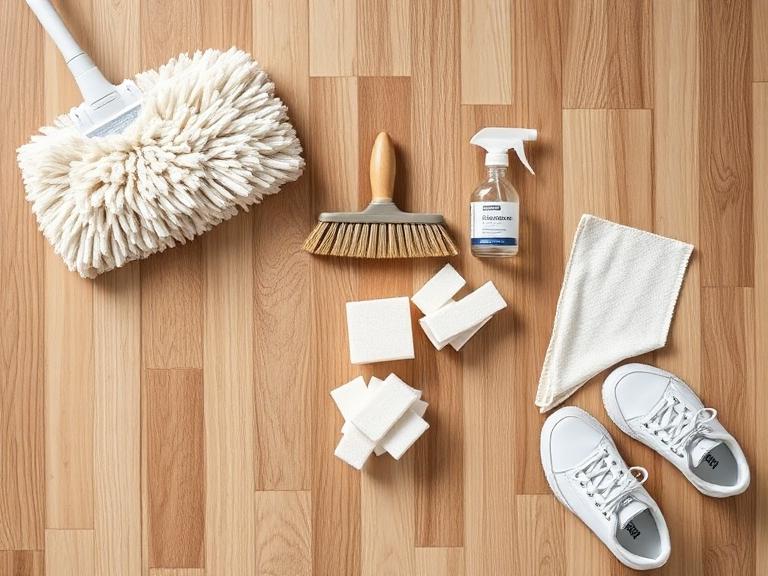
1. The Daily Dry Dust Mop
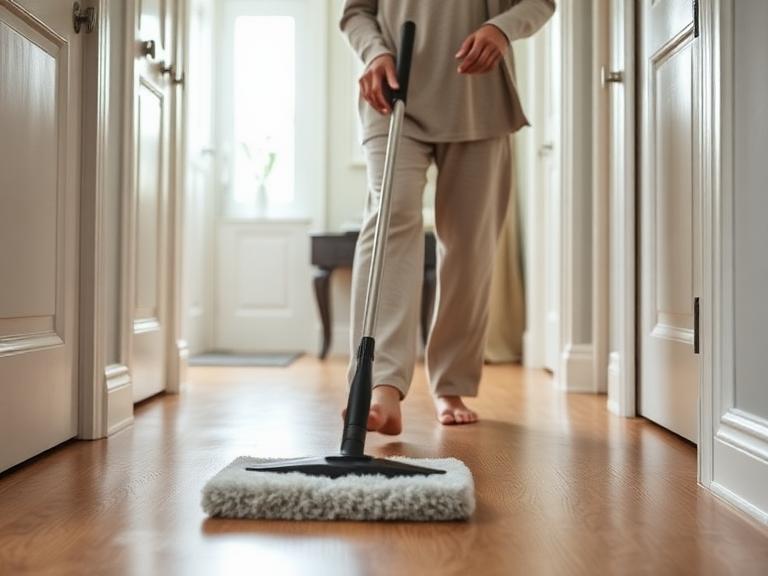
This is your number one defense. A quick, daily pass with a microfiber dust mop or a dry electrostatic cloth picks up abrasive grit, pet hair, and dust before they can be ground in. Think of it as brushing your teeth it’s the essential daily habit that prevents bigger problems.
2. The Vacuum Rule (No Beater Bar!)
Use your vacuum, but wisely. Always use the hard floor setting or turn off the rotating beater bar/brush roll. The stiff bristles can dent and scratch soft wood surfaces. Use the soft dusting brush attachment for edges and corners.
3. The Damp Mop Method
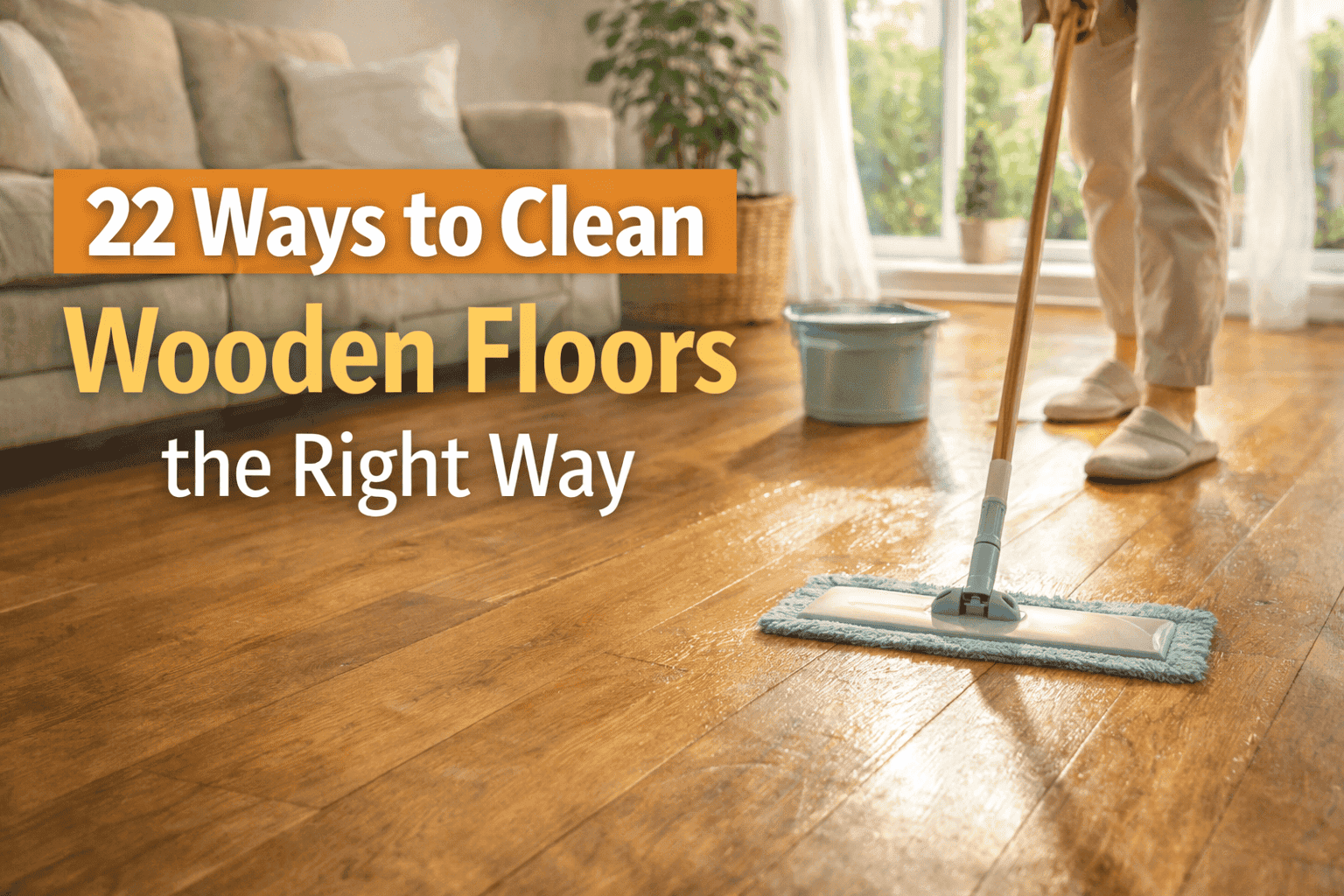
“Damp” is the crucial word. Never soak your mop. Wring it out so thoroughly that it feels almost dry to the touch. Use plain warm water or a cleaner specifically designed for wood, and mop in the direction of the grain to pick up the last bit of grime.
4. The Magic of Microfiber
Swap out traditional string mops for flat microfiber mops. They are superior at trapping dirt, require less liquid, and dry floors faster, minimizing water exposure.
5. The Trusty Vinegar & Water Solution (For Sealed Floors Only)
For a natural clean, mix ½ cup of white vinegar with a gallon of warm water. This works great on polyurethane-sealed floors. Avoid using vinegar on waxed, oiled, or unsealed floors, as the acid can break down the finish.
6. The Castile Soap Cleaner
A few drops of gentle, plant-based liquid Castile soap in a bucket of warm water creates a mild, effective cleaner that rinses away without residue. Don’t over-soap; a little goes a very long way.
7. The Black Tea Hack
Brew two black tea bags in a quart of boiling water, let it cool, and use it to mop your floors. The mild tannic acid helps break down dirt and can add a subtle, natural shine to darker woods.
8. Tackling Greasy Spots
For kitchen grease splatters, dampen a cloth with a tiny bit of isopropyl alcohol (rubbing alcohol) and blot the spot. It cuts grease quickly and evaporates without leaving moisture behind.
9. Erasing Heel Marks & Scuffs
A simple pencil eraser works wonders on black heel marks. For tougher scuffs, rub gently with a bit of baking soda on a damp cloth, always testing in an inconspicuous area first.
10. The Ice Cube Trick for Dents
Place an ice cube in a shallow dent and let it melt completely. The wood fibers will absorb the water and swell. Once dry, the dent may be significantly less noticeable.
11. Dealing with Water Rings
Blot white water rings immediately with a dry cloth. If the stain remains, lightly rub it with a cloth dipped in mayonnaise or toothpaste (non-gel) along the wood grain, then wipe clean.
12. The Olive Oil & Lemon Juice Shine Booster
For a beautiful, natural polish, mix ½ cup of olive oil with ¼ cup of lemon juice. Apply a tiny amount to a soft cloth and buff the floor in sections. This nourishes the wood and leaves a gorgeous, subtle luster.
13. Cleaning Laminate & Engineered Wood
These floors are often more sensitive to moisture. Use a barely-damp mop with a cleaner labeled safe for laminate. Never pour liquid directly onto the floor, and avoid steam mops.
14. The “Clean Your Tools” Tip
A dirty mop head just spreads grime. Wash your microfiber pads or mop heads regularly and replace them when they start to look worn.
15. Area Rug Rotation
Sunlight can fade wood. Rotate area rugs and furniture periodically to ensure your floors age evenly, preventing dark spots where rugs once lay.
16. Felt is Your Friend
Place quality felt pads under all furniture legs. Check and replace them yearly, as they can collect grit that scratches the floor.
17. The Entryway Defense
Place sturdy, absorbent mats at every exterior door. This traps the majority of dirt, salt, and moisture before it ever reaches your wood floors.
18. Pet Patrol
Keep your pet’s nails trimmed to prevent scratches. Wipe up water bowl spills and muddy paws promptly.
19. The Shoe-Free Household Policy
This simple habit is the single biggest thing you can do to reduce dirt, gravel, and wear on your floors.
20. The Right Cleaner for Your Finish
Know what you have. Use products made for your floor’s specific finish (polyurethane, wax, oil). When in doubt, test any new cleaner in a closet corner.
21. The “Less is More” Mopping Philosophy
Use less cleaning solution than you think you need. A large bucket of water only needs a small amount of cleaner to be effective. Over-soaping creates the dreaded sticky film.
22. The Final Buff
After mopping and letting the floor dry, go over it with a clean, dry microfiber cloth. This buffing action removes any last traces of moisture and brings up the shine.
Common Mistakes That Make Things Worse
- Using Vinegar on Everything: As mentioned, it can degrade wax and oil finishes.
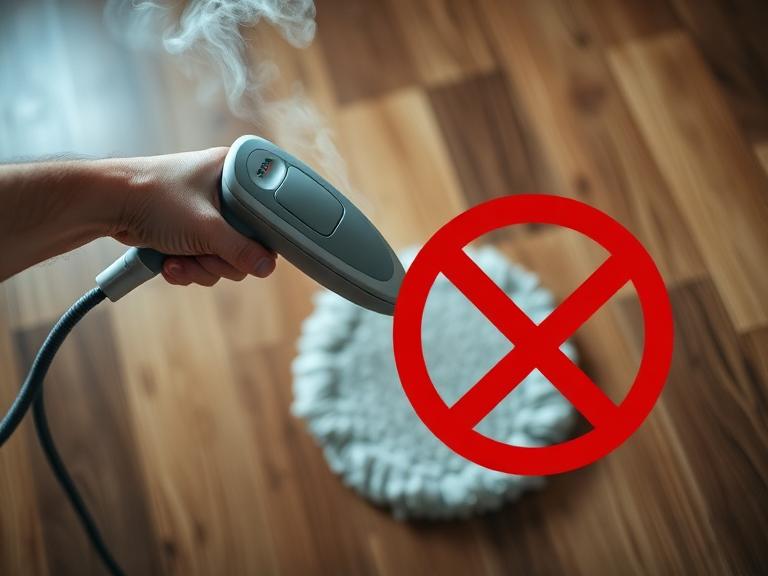
- The Steam Mop Trap: The intense heat and moisture from steam mops can warp wood and break down the protective sealant. Just don’t use them.
- Over-Wetting the Floor: This is the top cause of damage. Your mop should never leave puddles or a wet sheen.
- Using All-Purpose or Harsh Cleaners: Cleaners like ammonia, bleach, or acrylic polishes will damage the finish and leave a dull, cloudy residue.
- Ignoring Spills: Letting liquids sit, even water, is an invitation for stains and warping.
Quick Daily Habits for Long-Term Beauty
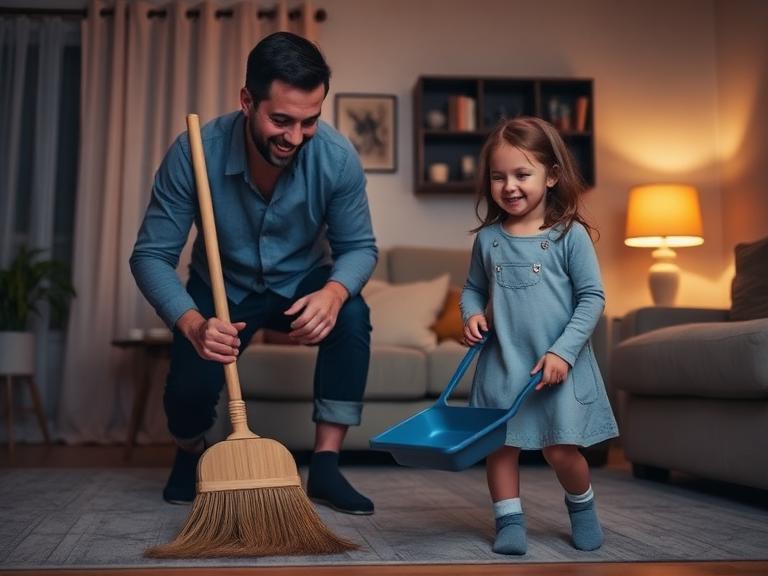
- The One-Minute Sweep: Keep a broom or swiffer in a convenient spot for a nightly once-over.
- The “Wipe It Now” Rule: Adopt a zero-tolerance policy for spills. Keep a small towel under the kitchen sink for immediate clean-up.
- Mat Maintenance: Shake out entry mats weekly to keep them effective.
FAQ: Your Wood Floor Questions, Answered
Q: Is it okay to use vinegar to clean my hardwood floors?
A: Only if your floors have a polyurethane or lacquer seal. If your floors are waxed, oiled, or have an unknown finish, avoid vinegar as it can strip the finish. When in doubt, test in a hidden spot or choose a different cleaner.
Q: How often should I really mop my wood floors?
A: For most homes, a good damp mopping once a month is sufficient. High-traffic kitchens or entryways might need it every two weeks. Always rely on dry cleaning (sweeping, vacuuming) in between.
Q: What’s the best way to clean deeply ingrained dirt?
A: Don’t scrub aggressively. For stubborn grime, try the damp mop method with a wood-safe cleaner, going over the area twice. Let the cleaner sit for a minute to loosen the dirt before wiping. Never use abrasive pads.
Q: Can I use furniture polish on my floors?
A: No. Furniture polish is formulated for vertical surfaces and will make your floors dangerously slippery. Always use a product intended for floor finishes.
Bring Back the Shine

Cleaning wood floors the right way isn’t about finding a single miracle product. It’s about a consistent, gentle routine that protects their natural beauty. Start with the dry habits—the daily sweep, the felt pads, the shoe-free policy. Then, choose one or two of the cleaning methods that fit your floor type and lifestyle.
Your floors are the foundation of your home’s warmth. With these 22 methods, you have all the knowledge you need to care for them confidently. So take a deep breath, grab that microfiber cloth, and give your beautiful floors the simple, effective care they deserve.